U.S. Seizes Russian-Flagged Tanker; China Launches Africa Trip — Global Reactions and Regional Shifts
In multiple developments shaping international relations and media landscapes, events spanning geopolitics, diplomatic tours, journalism expansion, and climate-linked weather impacts have drawn global attention on January 7, 2026.
U.S. Intercepts Russian-Flagged Oil Tanker in Atlantic
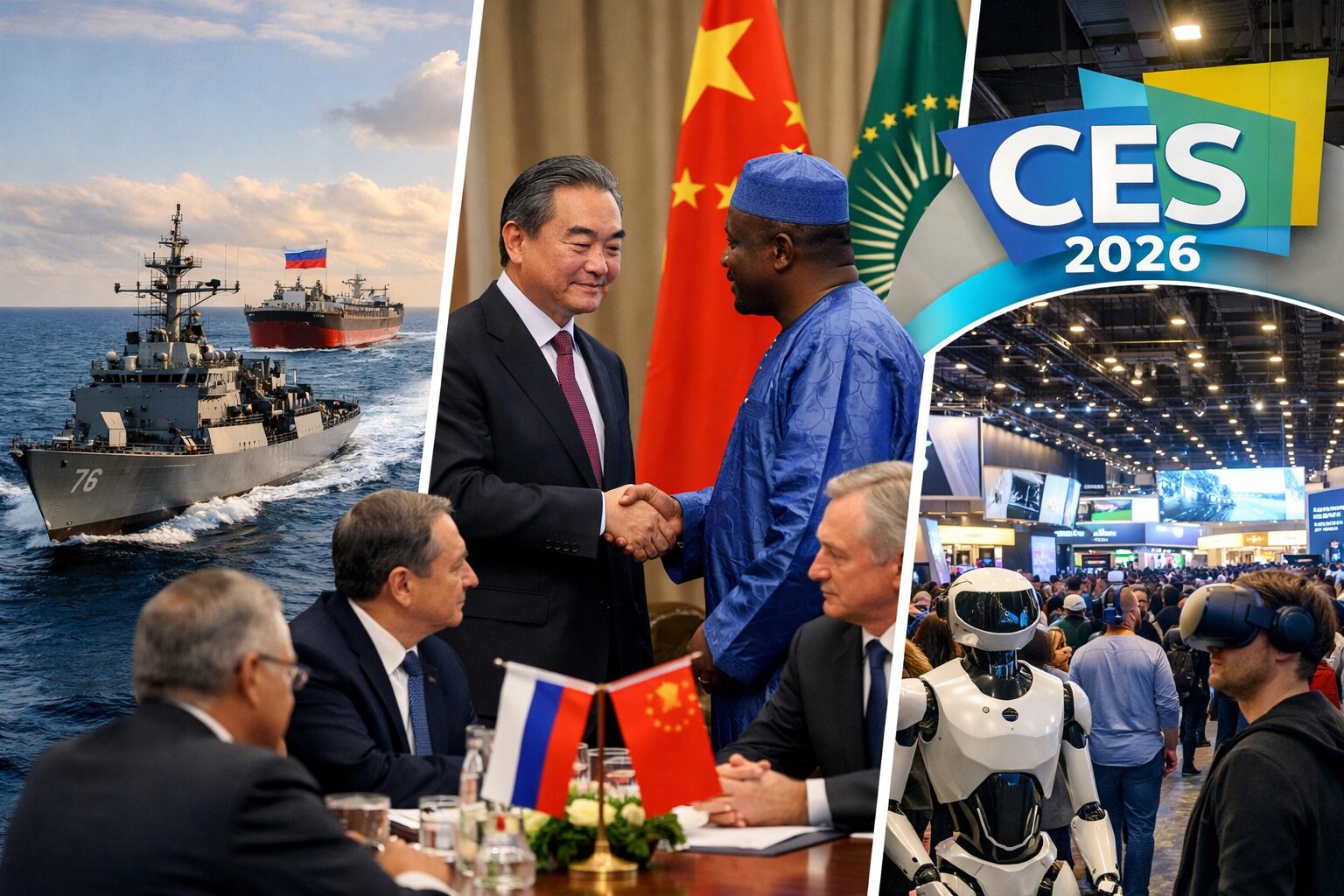
The United States announced the seizure of a Russian-flagged tanker linked to Venezuela amid ongoing efforts to enforce sanctions tied to oil shipments. U.S. officials said the tanker was seized in the Atlantic Ocean after attempts to evade prior restrictions. The move reflects Washington’s broader strategy to curb sanctioned oil flows and tighten enforcement of international trade measures. Reuters
Responses abroad varied, with Moscow condemning the action as a breach of international norms, and some observers warning the episode could heighten tensions between major global powers.
China’s Top Diplomat Begins African Strategic Tour
Simultaneously, China’s leading foreign affairs official embarked on an annual New Year diplomatic tour of African nations. The visit is centered on deepening bilateral cooperation, including strategic trade routes and infrastructure partnerships. Beijing highlighted economic collaboration and mutual development goals, while some analysts noted the tour’s timing amid broader global geopolitical shifts. Reuters
Major News Media Expansion in Digital Era
In media and communications, global news outlet Semafor announced a substantial expansion of its editorial and live journalism operations following a new financing round. The news organization aims to grow its global footprint and enhance real-time reporting capabilities, a move that underscores broader industry trends toward digital content and real-time engagement. Semafor
Critics and supporters alike are watching how newsrooms balance expansion with editorial independence and audience trust.
CES 2026 Highlights Emerging Technologies
At the Consumer Electronics Show (CES) 2026 in Las Vegas — one of the world’s largest technology exhibitions — companies showcased breakthroughs in AI, robotics, autonomous systems, and consumer gadgets. Major tech leaders unveiled next-generation AI architectures, advanced robotics collaborations, and futuristic consumer products, reinforcing the sector’s rapid pace of innovation. TechRadar
Australia Battles Heatwave Amid Policy Shifts
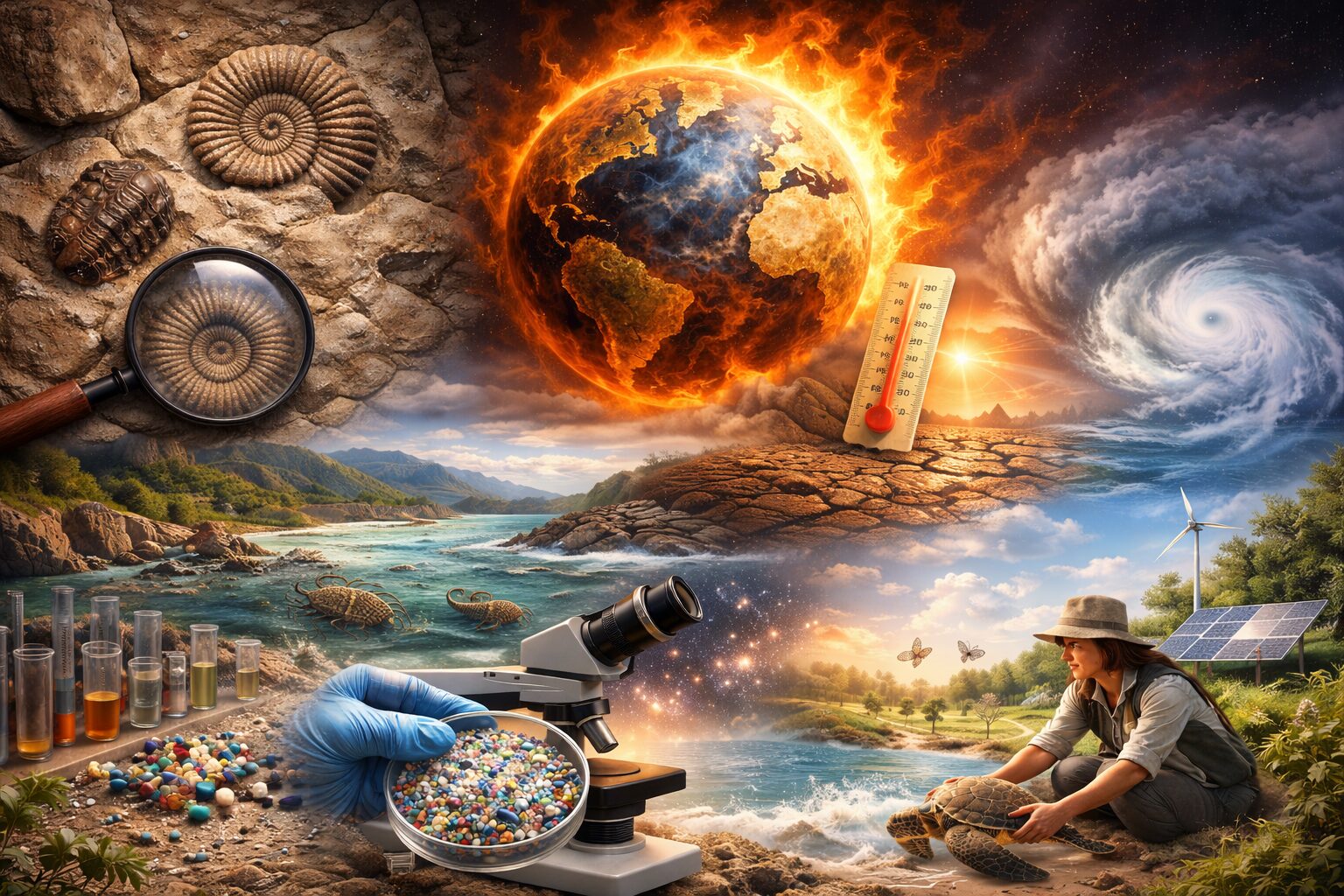
In other global developments, Australia’s southeastern states faced intense heatwave conditions, prompting public safety warnings and emergency responses. Temperatures exceeded 40°C in some cities, with authorities cautioning of heightened bushfire risk and urging residents to stay cool. Concurrently, domestic political developments including economic updates and calls for formal inquiries into previous national security incidents were reported. The Guardian
What This Means
Together, these developments illustrate a period of dynamic political maneuvering, media transformation, rapid tech evolution, and environmental challenges:
- Geopolitics: Strategic maritime and diplomatic actions highlight competing national interests abroad.
- Media: Newsrooms are adapting to demand for global, real-time reporting.
- Technology: Innovation showcases how artificial intelligence and robotics are becoming more central to future markets.
- Climate & Society: Extreme weather events continue to affect public safety and policy discussions.
Questions for Readers
- How should international law guide actions like the seizure of vessels tied to sanctions?
- Can expanded foreign diplomatic engagement lead to more equitable trade partnerships?
- What role will emerging technologies unveiled at CES play in everyday life by 2030?
- How can governments better prepare for heatwave-related climate impacts?